
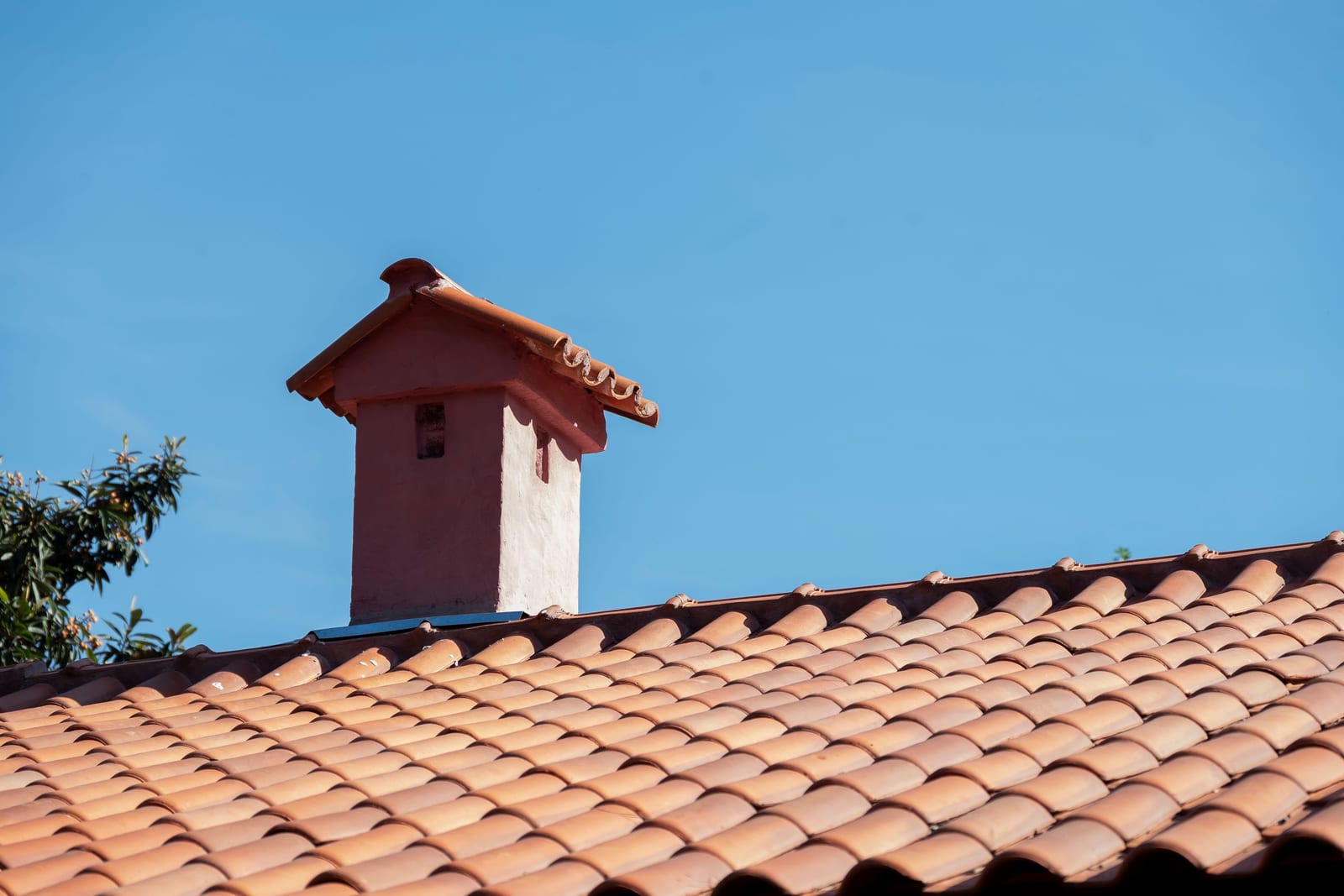
Did the Last Quake Move Your Harbor City Chimney?
We film the flue, measure the gap at the wall and show you each crack.
Find what moved, then fix that and nothing else.
Open liner joints call for a reline, a stack bent at the roof for repair or a rebuild, a chimney drifting off the wall for bracing. Pick the card nearest to what you saw, or start with an inspection.
Chimney Sweep
Flue brushed and vacuumed so the liner can be read, with tile chips, open joints and offsets noted before the next fire.
Chimney Inspection
NFPA 211 inspection at the level your chimney's history calls for, with every structural sign named and photographed.
Chimney Repair
Repairs matched to the force that caused the damage, whether shaking, settling, heat or weather, quoted in writing first.
Fireplace Inspection
Firebox, hearth, damper, surround and mantel inspected for heat damage and for heavy parts that shaking may have loosened.
Fireplace Repair
Firebox joints, shifted firebrick, smoke chambers, twisted damper frames and cracked hearths repaired with heat-rated materials.
Chimney Level 2 Inspection
Camera through the full flue plus the attic and roof connection, the inspection NFPA 211 points to after an event that may cause damage.
From Harbor City
A camera up the flue, a tape across the gap, and a dated photo of both for next time.
A chimney is a heavy column beside a light house. We check how the two are getting along.
Golden Poppy Chimney Pros is based in Harbor City, the Los Angeles neighborhood that sits between Lomita and the Harbor Freeway, with the Palos Verdes hills to the southwest and the port just south.
Around here a chimney has to carry its weight through every quake the basin throws at it, and on the peninsula through ground that creeps on its own. Brick stacks built before modern seismic rules seldom have steel in them, and plenty have never had a camera through the flue.
So we look before we judge. A stair-step crack, a level break at the roof, a gap that widens toward the top: each one points at a different force. We show you the evidence, write out the scope, and only then repair, brace or rebuild.
- The flue filmed along its full height
- Your account of the last shake comes first
- A dated photo set to compare next time
- Each crack matched to what caused it
Heard on the Phone
“There is a gap between the chimney and the wall that was not there before.” That call gets a tape measure and a camera.
Racking, settling, a stack bent at the roof or a liner split inside: each leaves its own mark, and each gets its own check.
Say What Moves and Why
A masonry chimney is a heavy, rigid column beside a light, flexible house. We explain in plain words how that pair behaves when the ground shakes, so the fix we suggest makes sense before you agree to it.
Look Before Judging
Nobody can call a chimney safe from the street or over the phone. We inspect at the level its history calls for and tell you clearly what we could see and what stayed hidden.
Work Meant for the Next Quake
Mortar matched to old brick, stainless hardware that holds up in harbor air, flashing that can slide with the stack, and rebuilds carrying the reinforcement and anchors the code asks for.
A Baseline You Keep
Every visit leaves you photos and notes of the flue, crown, roofline and the gap at the wall. Next visit, or after the next quake, the same views are compared and any change is pointed out.
What Harbor Area owners ask once the ground has moved
Liner tiles, bracing, steel in old brick and when a stack has to come down, answered the way we would explain it standing in your yard. Seeing something odder on yours? Ring (626) 249-3989.
From “I think it shifted” to a chimney you can trust again
Same order on every job: your account, the full inspection, the photos in your hands, the scope on paper, and only then the work.
Tell Us What Changed
Ring or use the form and say what started this: a recent shake, a new crack, a gap at the wall, a house sale, a switch to gas, or a chimney nobody has looked at in a long while. A photo from the yard helps us pick the inspection level before we come.
We Read the Whole Column
On site we look at the stack from the ground and the roof, then the crown, cap, roofline joint, attic connection and firebox. For a Level 2 the camera travels the full flue. Any gap between chimney and house is measured and noted.
You See the Evidence
We go through the photos and camera stills with you, say what each crack or gap usually points to, and tell you plainly whether the chimney can be used as it stands or should wait.
Scope Set Out in Writing
Repair, bracing, relining or a rebuild is written up with its scope before anything starts. For a rebuild that includes how far down the work goes, how it is reinforced and anchored, and which permit and city inspections apply.
Finished Work, Kept on File
Once the work is done we test it and photograph it. Those photos and notes become the baseline, so after the next quake anyone can compare and see whether something has moved.
Lines open from 7 in the morning to 7 at night, weekends included.
Out from Harbor City: Lomita, Torrance, the peninsula and the port
Each place below has its own Golden Poppy page: the sign an owner can spot, what a full inspection there usually turns up, and how the soil and air add to the load.
Seen From Harbor City
Three loads a chimney carries around the harbor
Shaking is only part of it. The slope under the footing and the air around the crown decide how a stack wears between quakes, and how it behaves in the next one.
Ground that creeps
Just over Palos Verdes Drive the land rises, and on parts of the peninsula it moves a little every wet season. A chimney on its own footing drifts away from the wall it once touched.
Stacks with no steel
Most older brick chimneys in Lomita, Torrance and Gardena went up before reinforcing was required. The top courses go first, so we press on them and photograph the crown.
Port air on mortar
Damp, salty air from the harbor and the beaches softens joints and rusts plain steel, and soft mortar lets go of the brick sooner when the ground shakes.
Lomita
a small, quiet city at the foot of the peninsula hills, tucked between Torrance and Harbor City
Chips of orange clay tile in the firebox, a hairline crack climbing from a corner of the opening, or the top few bricks sitting slightly off line.
Torrance
a broad South Bay city that runs from early homes near downtown to post-war tracts and the hills of Walteria and the Riviera
A crack running level across the stack just above the roofline, or flashing that keeps lifting on the same side after each wet season.
Rancho Palos Verdes
the slopes and coastal terraces of Rancho Palos Verdes, from the Portuguese Bend area on the south side to the ridge roads up top
A gap between the stack and the siding that is wider at the top, a hearth that has started to tilt, or roof flashing that tears again soon after a repair.
Long Beach
the port city to the east, whose older neighborhoods were rebuilt after the 1933 Long Beach earthquake
A band where the brick colour or mortar changes partway up the stack, with a crack following that line.
Beyond the Harbor
More Golden Poppy area pages, out to the beach cities
Services by city
Torrance
- Torrance
- Chimney Sweep in Torrance
- Chimney Inspection in Torrance
- Chimney Repair in Torrance
- Fireplace Inspection in Torrance
- Fireplace Repair in Torrance
- Chimney Level 2 Inspection in Torrance
- Chimney Cap Installation in Torrance
- Chimney Flashing Repair in Torrance
- Chimney Masonry Repair in Torrance
- Chimney Rebuilds in Torrance
- Fireplace Cleaning in Torrance
- Gas Fireplace Cleaning in Torrance
- Gas Fireplace Repair in Torrance
- Fireplace Remodel in Torrance
- Fireplace Inserts in Torrance
- Pellet Stove Repair in Torrance
- Wood Stove Repair in Torrance
- Gas Logs in Torrance
Rancho Palos Verdes
- Rancho Palos Verdes
- Chimney Sweep in Rancho Palos Verdes
- Chimney Inspection in Rancho Palos Verdes
- Chimney Repair in Rancho Palos Verdes
- Fireplace Inspection in Rancho Palos Verdes
- Fireplace Repair in Rancho Palos Verdes
- Chimney Level 2 Inspection in Rancho Palos Verdes
- Chimney Cap Installation in Rancho Palos Verdes
- Chimney Flashing Repair in Rancho Palos Verdes
- Chimney Masonry Repair in Rancho Palos Verdes
- Chimney Rebuilds in Rancho Palos Verdes
- Fireplace Cleaning in Rancho Palos Verdes
- Gas Fireplace Cleaning in Rancho Palos Verdes
- Gas Fireplace Repair in Rancho Palos Verdes
- Fireplace Remodel in Rancho Palos Verdes
- Fireplace Inserts in Rancho Palos Verdes
- Pellet Stove Repair in Rancho Palos Verdes
- Wood Stove Repair in Rancho Palos Verdes
- Gas Logs in Rancho Palos Verdes
Long Beach
- Long Beach
- Chimney Sweep in Long Beach
- Chimney Inspection in Long Beach
- Chimney Repair in Long Beach
- Fireplace Inspection in Long Beach
- Fireplace Repair in Long Beach
- Chimney Level 2 Inspection in Long Beach
- Chimney Cap Installation in Long Beach
- Chimney Flashing Repair in Long Beach
- Chimney Masonry Repair in Long Beach
- Chimney Rebuilds in Long Beach
- Fireplace Cleaning in Long Beach
- Gas Fireplace Cleaning in Long Beach
- Gas Fireplace Repair in Long Beach
- Fireplace Remodel in Long Beach
- Fireplace Inserts in Long Beach
- Pellet Stove Repair in Long Beach
- Wood Stove Repair in Long Beach
- Gas Logs in Long Beach
Rolling Hills Estates
- Rolling Hills Estates
- Chimney Sweep in Rolling Hills Estates
- Chimney Inspection in Rolling Hills Estates
- Chimney Repair in Rolling Hills Estates
- Fireplace Inspection in Rolling Hills Estates
- Fireplace Repair in Rolling Hills Estates
- Chimney Level 2 Inspection in Rolling Hills Estates
- Chimney Cap Installation in Rolling Hills Estates
- Chimney Flashing Repair in Rolling Hills Estates
- Chimney Masonry Repair in Rolling Hills Estates
- Chimney Rebuilds in Rolling Hills Estates
- Fireplace Cleaning in Rolling Hills Estates
- Gas Fireplace Cleaning in Rolling Hills Estates
- Gas Fireplace Repair in Rolling Hills Estates
- Fireplace Remodel in Rolling Hills Estates
- Fireplace Inserts in Rolling Hills Estates
- Pellet Stove Repair in Rolling Hills Estates
- Wood Stove Repair in Rolling Hills Estates
- Gas Logs in Rolling Hills Estates
Redondo Beach
- Redondo Beach
- Chimney Sweep in Redondo Beach
- Chimney Inspection in Redondo Beach
- Chimney Repair in Redondo Beach
- Fireplace Inspection in Redondo Beach
- Fireplace Repair in Redondo Beach
- Chimney Level 2 Inspection in Redondo Beach
- Chimney Cap Installation in Redondo Beach
- Chimney Flashing Repair in Redondo Beach
- Chimney Masonry Repair in Redondo Beach
- Chimney Rebuilds in Redondo Beach
- Fireplace Cleaning in Redondo Beach
- Gas Fireplace Cleaning in Redondo Beach
- Gas Fireplace Repair in Redondo Beach
- Fireplace Remodel in Redondo Beach
- Fireplace Inserts in Redondo Beach
- Pellet Stove Repair in Redondo Beach
- Wood Stove Repair in Redondo Beach
- Gas Logs in Redondo Beach
Golden Poppy Chimney Pros
What moves in a chimney, and why it matters at a sale
Four pages for a purchase, a referral, a property with many units and a list of repairs. Each one explains what shifts, what cracks and what to check.
Sale and structure check
For the buyer holding the disclosures, and for the seller who wrote them.
For agents: the copy list
The copy list for the report, and the day it arrives.
Multi-unit managers
Several units and one key box: how one visit covers them all.
First hour after a fail
What to do in the first hour after a failed report.